
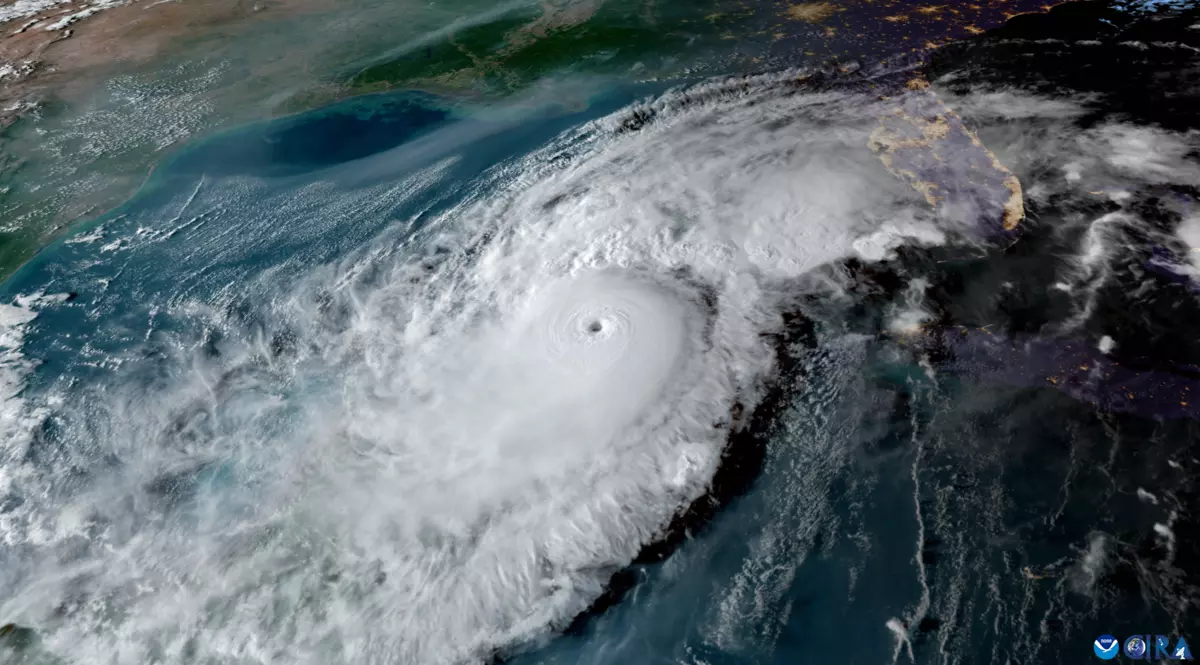
Living in Southwest Florida means hurricanes and other natural disasters are a reality we must be ready for. Preparation is the key to staying safe and minimizing risk when severe weather strikes. From assembling an emergency kit to planning evacuation routes and safeguarding your home, every step you take now can make a critical difference later. Click on the headings below, and use the provided tips and resources to protect yourself, your family, and your property before, during, and after a storm.
Quick Links:
- Collier County Evacuation Zones Map
- Sign Up for Everbridge Alerts
- Collier County Property Appraiser: Report Property Damage for Natural Disasters
- FEMA: Disaster Relief Glossary
- National Hurricane Center Glossary
- FEMA Homepage
- FloridaDisaster.org
- Collier County Emergency Management Department
- Collier County Special Needs Registry Form
- Countdown Timer
Hurricanes can develop quickly, leaving little time to react. The best way to protect yourself, your family, and your property is to prepare well in advance.
Before a storm threatens, take steps to build an emergency kit, secure important documents, plan evacuation routes, and safeguard your home.
Understanding Hurricanes
- Hurricanes are powerful tropical storms with winds over 74 mph that can cause flooding, wind damage, and storm surge.
- Categories (Saffir-Simpson Scale):
- Cat 1: 74–95 mph – Minimal damage
- Cat 2: 96–110 mph – Moderate damage
- Cat 3: 111–129 mph – Extensive damage
- Cat 4: 130–156 mph – Severe damage
- Cat 5: 157+ mph – Catastrophic damage
- Hurricane season runs from June 1 to November 30, with peak risk in August–October.
Additional Resources:
- Storm Surge PSAs
- FEMA ASL Video: Understand what a hurricane watch and warning means, and how to prepare for a hurricane.
Interesting Facts
- Key Facts About Flooding
- Most Common Disaster: Floods are the most frequent and widespread natural disaster in the U.S. (90% of presidential-declared disasters involve flooding).
Universal Risk: Floods can occur anytime, anywhere—in all 50 states. Everyone lives in a flood zone. - High-Risk Areas: Low-lying regions, coastal areas, and locations downstream from large bodies of water are especially vulnerable.
- Impact & Danger:
- Just 1 inch of water can cause costly property damage.
- 2 feet of floodwater can carry away a car.
- 25% of floods occur outside designated flood-prone areas.
- Insurance Gaps: Most homeowners insurance does not cover flood damage.
- Economic Impact: In 2017, U.S. floods caused $60.7 billion in property and crop damage.
- Most Common Disaster: Floods are the most frequent and widespread natural disaster in the U.S. (90% of presidential-declared disasters involve flooding).
- Florida & Naples Specifics
- Florida:
- 1.8 million flood insurance policies in 2017.
- Has faced five federally declared flood disasters since 2000.
- Naples:
- 14,713 flood insurance policies (as of 2018).
- Classified as Class 5, offering up to 25% discount on flood insurance.
- Participation in NFIP and CRS saves residents $3.9 million annually in premiums.
- Florida:
Recent Hurricanes
- Hurricane Irma struck Florida from August 31 to September 13, 2017, as the strongest Atlantic hurricane since Wilma in 2005. It made U.S. landfall at Cudjoe Key as a Category 4 with 130 mph winds, then weakened to Category 3 before hitting Marco Island with 112 mph winds, just south of Naples. The storm prompted the largest evacuation in Florida’s history, with 6.5 million residents leaving, and was the first hurricane to directly impact Naples in nearly 12 years.
- Hurricane Ian hit southwest Florida in late September 2022 as a Category 4 storm, causing catastrophic storm surge, destructive winds, and historic flooding across central and northern Florida. It resulted in over 150 deaths and $112 billion in damages, making it Florida’s costliest hurricane and the third most expensive in U.S. history. Ian also struck western Cuba as a Category 3 and later made a final landfall in South Carolina as a Category 1.
- Hurricane Helene made landfall near Perry, Florida, on September 27, 2024, as a Category 4 storm, bringing catastrophic flooding, extreme winds, deadly storm surge, and tornadoes across the southeastern U.S. and southern Appalachians. It caused at least 250 fatalities, making it the deadliest U.S. hurricane since Katrina in 2005, and produced tropical storm conditions in parts of Mexico and Cuba. Naples experienced severe flooding, with some areas reaching over 30 inches of water.
- Hurricane Milton made landfall on October 10, 2024, in Siesta Key as a Category 3 storm after reaching Category 5 intensity in the Atlantic with a central pressure below 900 mb—one of the strongest hurricanes on record. It caused major damage in Sarasota and Tampa Bay and led to flooding across Naples, with depths ranging from a few inches to nearly 4 feet
Prepare an Emergency Kit
During an emergency, it can take three (3) days or longer for government groups like FEMA or first responders to arrive—hope for three (3), plan for at least five (5)!
Your kit should include:
- 7 days of food & water (at least one gallon/day) per person
- Prescription medications & first aid kit
- Flashlights, batteries, portable chargers
- Important documents in waterproof containers (IDs, insurance papers, financial records, birth records, etc.)
- Cash (ATMs may not work)
- Puzzles, books, and rechargeable/battery-operated electronics to keep boredom at bay
Store supplies in a sturdy container indoors. Check flashlights, generators, and storm shutters regularly.
Additional Resources:
- How to Request a 30-Day Supply of Your Prescription for Disaster Preparedness
- FEMA Tips for Safeguarding Documents
- FloridaDisaster.org Supply Checklist
- FloridaDisaster.org Complete Hurricane Guide
- Ready.gov/kit
- Take Action Today - NOAA
Evacuation Zones & Plan
- Evacuate if ordered to do so.
- Know your Hurricane Surge Evacuation Zone (A–E)—different from flood zones.
- If evacuating locally, know your Collier County shelter and its rules.
- Residents who need special assistance are encouraged to pre-register with Collier County using the Collier County Special Needs Registry Form.
- Pick a safe destination outside the storm path.
- Plan multiple routes and practice them.
- Each member of your household should know where and how to turn off your home's gas, water, and electricity.
- Take essential supplies and documents.
- Follow official routes—never drive around barricades.
- Follow City parking guidelines.
Additional Resources:
- Collier County Interactive Map
- Evacuation Tips from NOAA
- Preparing your Home for Evacuation from FLASH
- Evacuation Tips from Ready.gov
- FloridaDisaster.org Shelter Information/Tips
- FloridaDisaster.org Evacuation Routes and Map
Family Communication Plan
- Choose an out-of-state contact as your family’s communication hub
- Share their name and number with all family members
- Keep a copy of the plan, along with other important documents, in a water-proof container within your emergency kit
- Teach everyone how to dial 911
- Stay Informed
- Follow the City of Naples, Naples Fire-Rescue, and Naples Police on social media. Updates can also be emailed to you by subscribing to our email list
- Monitor local news outlets
- Sign up for Everbridge Alerts
- Monitor NOAA Updates: National Hurricane Center
Pet Safety
- Prepare carriers, food, and vaccination records
- To use a Collier County pet-friendly shelter, your pet must be preregistered with Collier County. Please call Emergency Management at (239) 252-3600 for assistance.
- Collier County shelters are announced as directed by the Bureau of Emergency Services – locations will be announced once activated.
Additional Resources:
- Collier County Shelter Rules
- Ready.gov Tips: How to Prepare Your Pets for Disasters
- FloridaDisaster.org Tips to Prepare Your Pets
Protect Your Home
- Know your risk:
- Check Your Flood Risk - FEMA
- Check Surge Risk - NOAA
- City of Naples Interactive Flood Zone Map
- While hurricanes pose the greatest threat to life and property, tropical storms and tropical depressions also can be devastating. The primary hazards from tropical cyclones (which include tropical depressions, tropical storms, and hurricanes) are storm surge flooding, inland flooding from heavy rains, destructive winds, tornadoes, and high surf and rip currents.
- Check your coverage:
- Review your insurance policy and ensure you have flood coverage—standard homeowners’ insurance does not cover flooding.
- Install storm shutters or secure windows with plywood
- Place sandbags at points of entry for temporary flood mitigation
- Bring in or anchor outdoor items to prevent flying debris
- Vehicle Safety:
- Keep vehicles fueled and in good condition
- Electric Vehicles (EV):
- Know your risk: flooding—especially salt water—can damage the battery and potentially cause a fire. Combustion can happen in an instant or manifest weeks/months after exposure to salt water.
- Keep your EV battery at a 30% charge or less.
- Park your EV 50 feet away from any structure or other vehicle.
- Do not leave your EV plugged into a charging station, and do not attempt to charge your EV during a storm or in floodwaters.
- Once it's safe to do, use caution when using charging stations after a storm—check for water/physical damage.
- Do not discard damaged batteries in regular trash—batteries that have been flooded or exposed to salt water pose an increased fire risk.
- Know your risk: flooding—especially salt water—can damage the battery and potentially cause a fire. Combustion can happen in an instant or manifest weeks/months after exposure to salt water.
- Building fortification (please see our Building department's permitting guidelines):
- Elevate furnace, water heater, and electric panel
- Install check valves in sewer traps to prevent backups
Additional Resources:
- NOAA - Understanding Forecasts
- National Hurricane Center Storm Tracker
- City of Naples Solid Waste Division Emergency Preparedness Tips
- City of Naples Public Works Tips: Water Safety Before & After A Hurricane
- Homeowner's Insurance Guide - FLASH
- Flood Insurance Overview - FloodSmart.gov
- National Flood Insurance Program Policies - FEMA
- City of Naples Flood Mitigation Guidelines
- FEMA Flood Mitigation Guidelines for Homeowners
- FEMA Checklist for Acquiring Building Permits
- FEMA Tips to Prepare Your Home
- FEMA Youtube Video: Prepare Your Home From Flood Damage
- Flood Safety Tips from the American Red Cross
- Collier County Hurricane Preparedness Tips
- Florida Homeowner's Handbook
- This handbook covers basic information on emergency preparedness, evacuation planning, flood and wind insurance, and steps to take to protect your property.
When a hurricane hits, quick decisions can save lives. The tips below will help you stay protected and connected.
Shelter Safely
- If staying home, shelter in a small, interior, windowless room or a FEMA/ICC 500 safe room.
- If flooding occurs, move to the highest level—but never a closed attic.
- If outdoors, in a vehicle, mobile home, or temporary structure, get inside a sturdy building immediately.
Stay Informed
- Monitor official alerts and act when advised.
- Power may be limited—use multiple ways to receive updates:
- Wireless Emergency Alerts (WEA)
- Wireless Emergency Alerts (WEAs) are short emergency alerts authorities can send to any WEA-enabled mobile device in a locally targeted area.
- WEAs look like text messages but are designed to get your attention with a unique sound and vibration repeated twice.
- Emergency Alert System (EAS)
- The Emergency Alert System (EAS) is a national public warning system that allows the president to address the nation within 10 minutes during a national emergency. Other authorized federal, state, local, tribal and territorial alerting authorities may also use the system to deliver important emergency information such as weather information.
- The EAS is sent through broadcast TV and radio, satellite digital audio services, direct broadcast satellite providers, cable television systems and wireless cable systems.
- NOAA Weather Radio
- NOAA Weather Radio All Hazards (NWR) is a nationwide network of radio stations that broadcast continuous weather information from the nearest National Weather Service office based on your physical location.
- NWR broadcasts official warnings, watches, forecasts and other hazard information 24 hours a day, seven days a week.
- Integrated Public Alert and Warning System (IPAWS)
- The Integrated Public Alert and Warning System (IPAWS) is FEMA’s national system for local alerting. It gives federal, state, local, tribal, and territorial public safety agencies the ability to send WEAs, EAS alerts, weather and non-weather-related emergency messages simultaneously through NOAA weather radios, and alerts through systems like sirens and digital billboards.
- FEMA App
- The FEMA App allows you to receive real-time weather and emergency alerts, send notifications to loved ones, locate emergency shelters in your area, get preparedness strategies and more.
- Wireless Emergency Alerts (WEA)
- Power may be limited—use multiple ways to receive updates:
- Save your phone battery for emergency calls and alerts.
Avoid Floodwaters
- Turn Around, Don’t Drown! Six inches of moving water can knock you down; one foot can sweep away a car.
- Never walk through moving water; if unavoidable, use a stick to test ground stability.
- Do not drive during a hurricane—wind gusts can overturn vehicles, and roads may collapse.
- If trapped in a car by rising water, abandon it for higher ground if safe.
Returning Home
- Follow official guidance before returning home. Only re-enter when authorities say it’s safe.
- Avoid floodwaters; they may contain contaminants, and can be electrically charged by downed power lines.
- Report power outages to FPL. Use FPL's Power Tracker for power restoration updates.
- Generator safety:
- Use outdoors, at least 20 feet from doors/windows, to prevent carbon monoxide poisoning.
- Generator safety:
- Watch for structural damage, weakened roads, and hidden hazards.
- Be alert for snakes, insects, and wildlife seeking shelter indoors.
- Water safety:
- Listen for updates on drinking water safety before use.
Additional Resources:
- Comcast Customer Service
- Comcast Business Customer Service
- Florida Power & Light (FPL) Customer Service
- Century Link Customer Service
- Verizon Wireless Customer Service
- AT&T Wireless Customer Service
- T-Mobile Customer Service
- City of Naples Utilities Water Safety Tips
Cleaning Up
- Document damage with photos and contact your insurance company.
- Wear protective clothing, gloves, and masks (especially for mold cleanup).
- Children and adults with compromised immune systems should take special care, especially around suspected mold.
- Work with a partner for safety.
- Clean and disinfect everything that got wet. Mud/standing water may contain contaminants.
- The City of Naples and Collier County are not able to clean privately owned property.
Additional Resources:
- County Debris Clean-up
- Protecting Your Health After A Natural Disaster (CDC)
- City of Naples Solid Waste Clean-Up Tips
- City of Naples Separating Storm Debris
- City of Naples Code Compliance Division Post-Hurricane Requirements
Electrical Safety:
- Never touch wet electrical equipment or stand in water near it.
- If safe, turn off power at the main breaker before cleanup.
- Have a licensed electrician inspect wiring and appliances before restoring power.
- Replace all outlets, fixtures, and panels submerged in water.
- Permits are required for major electrical repairs—contact the Building Department at (239) 213-5020.
Communicate Wisely:
- Save phone use for emergencies until power is restored.
Rebuilding
- Visit the City's Hurricane Permitting page for more information.
Additional Resources:
Resources for Homeowners:
- DISASTER UNEMPLOYMENT ASSISTANCE
- Disaster Unemployment Assistance (DUA) is available to Florida businesses and residents in FEMA disaster-declared counties whose employment or self-employment was lost or interrupted as a direct result of Hurricane Ian and are not eligible for regular state or Federal Reemployment Assistance benefits. To file a claim, visit www.Floridajobs.org or call 1-800-385- 3920. Customer service representatives are available Monday through Friday from 7:30a.m. to 6:30p.m. to assist claimants. For DUA claims information, call 1-833-FL-APPLY (1-833-352-7759) to speak with a representative. DUA is available for weeks of unemployment beginning September 25 until April 1, 2023, as long as the individual’s unemployment continues to be a direct result of the disaster. The deadline to submit a claim for DUA benefits is December 30.
- FLORIDA DISASTER RECOVERY (STATE RESOURCES)
- For a listing of state recovery resources, links and information, visit www.floridadisaster.biz
- Florida Business Damage Assessment Survey: Businesses that are damaged after a state-designated emergency can fill our the Damage Assessment Survey to provide information about the damage and connect with available resources. The information provided in this survey will be shared among various state and local agencies to expedite implementation of appropriate disaster relief programs for businesses.
- U.S. Chamber of Commerce Small Business Recovery Guide: A collection of resources designed to reopen your business and assist with long-term recovery, including immediate needs, financial assistance, IT disaster recovery, mental health, and community recovery.
- IEDC Restore Your Economy: Restore Your Economy is your resource for up-to-date information related to economic recovery from natural disasters and COVID-19. It is managed by the International Economic Development Council (IEDC) with generous support from the U.S. Economic Development Administration and IEDC's Economic Development Research Partners program. Rebuild Florida Office of Long-Term Resiliency: Rebuild Florida was created by DEO to help Florida’s long-term recovery efforts from recent hurricanes. DEO oversees Community Development Block Grant- Disaster Recovery (CDBG-DR) funding for hurricanes Hermine, Matthew, Irma, and Michael as well as CDBG-Mitigation funding. The state of Florida is committed to helping homeowners, small businesses and communities recover from recent storms and become more resilient to future disasters.
- Rebuild Florida Business Loan Fund: The Rebuild Florida Business Loan Fund, a resiliency loan fund provided through a partnership with the U.S. Economic Development Administration, is assisting businesses that experienced physical damage or economic injury from Hurricane Irma. It provides longer-term loans with higher funding levels at market interest rates. Up to $500,000 in financing can be provided to an eligible business for the following purposes: inventory purchases, construction or renovation, working capital needs, capital start-up loans, machinery and equipment purchases, equipment financing, and more.
- D-SNAP: Low-income Florida residents recovering from Hurricane Ian may be eligible for assistance from the Department of Agriculture’s Disaster Supplemental Nutrition Assistance Program (D-SNAP).Visit www.myflfamilies.com/hurricaneian/ for information and resources on the Disaster Supplemental Nutrition Assistance Program (D-SNAP), Food Replacement, Food Assistance, Family Resources Support Center, and much more.
- STATE AND FEDERAL TAX INQUIRIES
- IRS Excise Tax: The IRS may waive tax penalties on disasters on a case-by-case bases. A special tax law provision may help taxpayers and businesses recover financially from the impact of a disaster. Visit www.irs.gov/businesses or for more information call 1-800-829-1040.
- Florida Department of Revenue: The Florida Department of Revenue will waive penalties and interest during the period of emergency for impacted taxpayers who are unable to file returns and/or make payment of taxes on time. For assistance call (800) 352-3671 of visit https://ritx-fl-sales.bswa.net
- FLORIDA SMALL BUSINESS EMERGENCY BRIDGE LOAN
- The Florida Small Business Emergency Bridge Loan program are intended to “bridge the gap” between the time a disaster impacts a business and when a business has secured longer term recovery funding such as federally or commercially available loans, insurance claims or other resources. Florida requires loans under this program to be repaid by the approved applicant. Owners may utilize funding from longer term financial resources, such as U.S. Small Business Administration economic injury disaster loans, to repay the Emergency Bridge Loan. For program details and required documents visit www.floridajobs.org/EBL
- FLORIDA DEPARTMENT OF ECONOMIC OPPORTUNITY
- The Florida Department of Economic Opportunity announced work search reporting, waiting week and Employ Florida registration requirements for Reemployment Assistance claims have been temporarily waived for Floridians impacted by Hurricane Ian in FEMA disaster-declared counties. By waiving these requirements, eligible Floridians will be able to quickly apply and receive reemployment assistance and disaster unemployment assistance benefits. Additionally, Disaster Unemployment Assistance is available to state businesses and residents in FEMA disaster-declared counties whose employment or self-employment was lost or interrupted as a direct result of Hurricane Ian and are not eligible for regular state or Federal Reemployment Assistance benefits. To file a claim call 1-800-385-3920 or visit: http://floridajobs.org/Reemployment-Assistance-Service-Center/reemploym…- assistance/claimants/disaster-unemployment-assistance
- SPECIAL NEEDS REGISTRY
- The Florida Department of Health, in coordination with its county health departments and each local emergency management agency in the state, developed a registry for persons with special needs to register with their local emergency management agency to receive assistance during a disaster. The statewide registry provides first responders with valuable information to prepare for disasters or other emergencies. https://www.floridadisaster.org/snr/
- RENTAL HOUSING OPTIONS
- HurricaneHomes.org is a team effort to help those affected by natural disasters. The site was created by real estate industry veterans to help those in their time of need find housing options in one centralized location. The site works together with local Realtor® Associations and MLSs to identify housing inventory that is immediately available to those displaced from their homes. All revenue from the site is donated to 501c3 organizations that get every dollar into the hands of those in need. For example the Florida Disaster Fund and the Florida Realtor® Relief Fund. For more information, please visit the following website for more information www.hurricanehomes.org
- CRISIS CLEANUP HOTLINE
- A Home Cleanup Hotline was opened to support survivors of Hurricane Ian. With the collaboration of over 1,800 volunteer organizations, the Crisis Cleanup Hotline helps homes and businesses get on the path to recovery. Households in need of damage assistance can call: 1-800-451-1954, the hotline will remain open through Friday, October 28, 2022. https://www.floridadisaster.org/info/ Crisis Cleanup may be able to help with: Fallen trees, Drywall, flooring, and appliance removal to curb, Tarping Roofs, Debris removal to curb.
- OPERATION BLUE ROOF
- The Operation Blue Roof program is a free service to homeowners. Residents can sign up at Blueroof.us, or call 1-888-ROOF-BLU (766-3258) for more information.
- A Right of Entry (ROE) form must be completed.
- The Operation Blue Roof program is a free service to homeowners. Residents can sign up at Blueroof.us, or call 1-888-ROOF-BLU (766-3258) for more information.
- SALVATION ARMY
- If you were affected by Hurricane Ian, the Salvation Army if offering a limit of one gift card per household; while funds are available to assist with recovery. Visit www.ianhelp.org Applicants must have been impacted by Hurricane Ian and be residents of Collier County. This is a limited program and is only available while funds remain. The Salvation Army can make no guarantees that all applicants will receive a gift card.
- REDCROSS
- How to get help? If you need a safe place to stay or a hot meal, find open shelters on redcross.org, the free Red Cross Emergency app or by calling 1-800-RED CROSS (800-733-2767) and selecting the disaster option.
- Anyone who has been affected by the storm is welcome to stop by a shelter to get information, a hot meal, charge their phone, pick up relief supplies and get other essential support. The Red Cross helps anyone in need after a disaster, and everyone is welcome in our shelters. All disaster assistance is free, and we don’t require people to show any kind of identification to enter a shelter — just their name and where they were living before the disaster.
- DISASTER DISTRESS HELPLINE
- SAMHSA’s Disaster Distress Helpline provides 24/7, 365-day-a-year crisis counseling and support to people experiencing emotional distress related to natural or human-caused disasters. From the United States and its territories, call or text 1- 800-985-5990 to connect with a trained crisis counselor, 24/7. Spanish Speakers can call the hotline and press “2” for 24/7 bilingual support.
- DISASTER LEGAL SERVICES
- Disaster Legal Services (DLS) provides free legal help to low-income disaster survivors. If you're not able to get adequate legal services for your disaster-related needs, DLS may be able to help. DLS may only provide advice and assist with cases that will not generate a fee. For cases that may generate a fee, the ABA may refer you to a local lawyer referral service. DLS may help with –Insurance claims for medical bills, loss of property, and loss of life. New wills, powers of attorney, and other legal papers lost during the disaster. Home repair contracts and contractors, Problems with landlords, Proof of home ownership, FEMA appeals. DLS attorneys are not FEMA employees. The services they provide are confidential. You can call 1-866-550-2929 or visit https://www.disasterassistance.gov/get-assistance/forms-of-assistance/4… for more information.
- NAPLES CHAMBER
For current information and resource post-Hurricane Ian for Naples businesses please visit www.napleschamber.org/hurricaneresources.html
Resources for Small Businesses:
- The Small Business Administration (SBA) offers disaster assistance in the form of low interest loans to businesses, nonprofit organizations, homeowners, and renters located in regions affected by declared disasters. SBA also provides eligible small businesses and nonprofit organizations with working capital to help overcome the economic injury of a declared disaster: www.sba.gov/disaster. For help, call 800-659-2955 or send an email to DisasterCustomerService [at] sba.gov (DisasterCustomerService[at]sba[dot]gov).
- SBA Economic Injury Disaster Loans: Working capital loans to help small businesses, small agricultural cooperatives, small businesses engaged in aquaculture, and most private, non-profit organizations of all sizes meet their ordinary and necessary financial obligations that cannot be met as a direct result of the disaster. These loans are intended to assist through the disaster recovery period.
- SBA Physical Disaster Loans: Loans to businesses to repair or replace disaster-damaged property owned by the business, including real estate, inventories, supplies, machinery, and equipment. Businesses of any size are eligible. Private, non-profit organizations such as charities, churches, private universities, etc., are also eligible.
- SBDC at the University of Central Florida: Disaster preparedness resources
FEMA Assistance:
Floridians who have been impacted by a natural disaster may be eligible for FEMA grants, temporary lodging, or rental assistance if their home is deemed uninhabitable. Those residents may also be eligible for basic home repairs, personal property losses, and other eligible expenses. Applications for FEMA disaster assistance can be completed by calling 800-621-3362 between 7:00 AM to 11:00 PM EST, or visiting www.disasterassistance.gov, or via the FEMA mobile app (Google Play or Apple Store). Applicants must apply for assistance within 60 days of the disaster declaration. When you apply for assistance, have the following information ready:
- A current phone number where you can be contacted
- Your address at the time of the disaster and the address where you are now staying
- Your Social Security number
- A general list of damage and losses
- Banking information if you choose direct deposit
- If insured, the policy number or the agent and/or the company name
Important to note: FEMA is a stop gap for folks who are left without any coverage. What does this mean? When you register with FEMA and apply for assistance, you will have to declare your insurance coverage (if any) and you will be screened to determine if you qualify for a low-interest Federal loan through the Small Business Association (SBA) or a grant from FEMA. Representatives of FEMA have started to go door-to-door in the hardest hit areas, and it is very important to look for the FEMA identifying badge and the FEMA logo on their clothing
How to Appeal FEMA’s Decision: If you receive a letter from FEMA saying you are ineligible for assistance, you can appeal the decision and provide more information. For information of how to file an appeal within 60 days of denial visit: https://www.fema.gov/fact-sheet/how-appeal-femas-decision
FEMA is meeting survivors where they are to help jumpstart their recovery. Along with Disaster Survivor Assistance specialists going door-to-door in Florida neighborhoods to help individuals register for assistance, survivors can visit one of the 11 Disaster Recovery Centers operating across the state. Interpretation services and translated materials are available at these centers to help survivors communicate in the language they feel most comfortable. Disaster Recovery Center locations are chosen for their accessibility, with the goal of reaching as many people as possible. As centers are added, real-time locations will be updated at FloridaDisaster.org.
Address for FEMA Disaster Recovery Center in Collier County
Veterans Community Park
1895 Veterans Park Drive, Naples 34109
Hours of Operation: 9 AM to 6 PM
FEMA Hotel/Motel Stays. FEMA and the state of Florida activated the Transitional Shelter Assistance Program, which allows FEMA to make payments directly to participating hotels and motels in Alabama, Florida and Georgia that provide emergency shelter to survivors. As of today, the program is providing housing for 842 households with 2,184 members.
FEMA Home Inspections: When a household applies for FEMA assistance, FEMA may need to verify disaster-caused damages and disaster-related losses for some categories and items. To get assistance to households more quickly, FEMA is using both in-person inspections and other methods such as geospatial information from satellite images, post-storm photos taken from the air, flood data and assessments made by search teams. If an in-person inspection is required, FEMA will contact the applicant, schedule the inspection and walk through the home with the applicant to verify damage. If the applicant does not want an internal inspection because of Covid and/or other safety concerns, an exterior inspection can be performed and the applicant can provide information to the inspector about interior damage.
- FEMA checklist to obtain building permit before starting any new construction, addition, repair, renovation, rebuilding, or mitigation work.
South Garage at 6th Avenue South and 8th Street South
- Restrictions:
- No public parking
- No electric vehicles/hybrids
- EVs will be towed at the owner's expense.
- The garage will be cleared and barricaded 72 hours prior to the projected landfall. NPD and City staff will work to contact the public to relocate vehicles parked in this garage, with towing being used as a last resort within 24 hours of landfall.
- Elevator use may not be available.
North Garage at 4th Avenue South and 8th Street South
- Restrictions:
- No electric vehicles (EVs)/hybrids
- EVs will be towed at the owner's expense.
- No boats
- No golf carts
- No trailers
- No electric vehicles (EVs)/hybrids
- Public parking is allowed for clearances less than 8 feet high.
- Parking in this garage is at the vehicle owner's risk. The 1st floor is prone to flooding.
- Park in designated spaces only.
- Elevator use may not be available.
East Garage at 1st Avenue South and 12th Street South
- Restrictions:
- No electric vehicles (EVs)/hybrids
- EVs will be towed at the owner's expense.
- No boats
- No golf carts
- No trailers
- No electric vehicles (EVs)/hybrids
- Public parking is allowed for clearances less than 8 feet high.
- Parking in this garage is at the vehicle owner's risk. The 1st floor is prone to flooding.
- Park in designated parking garage spaces only - avoid designated spots in the parking lot.
- Elevator use may not be available.
Baker Park Parking Lots on Riverside Circle
- Restrictions:
- No public parking
- Do not use lower lots unless otherwise marked. This area is prone to flooding.
- The parking lots will be cleared and barricaded 72 hours prior to the projected landfall. NPD and City staff will work to contact the public to relocate vehicles parked in the lots, with towing being used as a last resort within 24 hours of landfall.
- Parking in these lots is at the owner's risk as this area is prone to wind damage and flying debris, in addition to flooding.
- FEMA - Answers to Questions about NFIP 21.76 MB
- FEMA - Why Do I Need Flood Insurance? 3.58 MB
- Eligibility Criteria for FEMA Assistance 849.81 KB
- Common Reasons for FEMA’s Determination of Ineligibility 48.79 KB
- Questions and Answers About FEMA Disaster Assistance 84.55 KB
- Preguntas y respuestas sobre la asistencia por desastre de FEMA 84.55 KB
- SBA Disaster Loans - Fact Sheet 751.19 KB
- Scams at a Glance: After the Storm 5.04 MB
- Programs to Support Disaster Survivors 841.32 KB
- Assistance for Housing and Other Needs 654.07 KB
- Individuals and Households Program 1.83 MB
- Transitional Sheltering Assistance (TSA) 72.43 KB
- Help After a Disaster - English 540.28 KB
- Help After Disaster - Spanish 415.17 KB
- Free Legal Disaster Services 1020.43 KB
- Recovery Guidance for Declared Counties – Individual Assistance 54.43 KB
- Crisis Counseling Assistance & Training Program 66.47 KB
- Funeral Assistance 234.9 KB
- Public Assistance for Houses of Worship 65.04 KB
- Scams at a Glance: Price Gouging 2.09 MB
- Who’s Knocking at Your Door? 385.7 KB
- Collier County Special Needs Registration Form 481.93 KB